



Meditation is most probably the best means of training your body and mind. If practiced daily, it leaves you feeling extremely relaxed and makes you sensitive to your feelings and thoughts.
Meditation also teaches you how to dominate your mind, leaving aside previous or future worries. Regular practice helps you train your mind to remain calm and concentrated, reaching a meditative state of peace.
Many benefits to meditation help in rejuvenating your energy and directing it positively. Just like yoga, various types of meditation help to relax and unite with your inner self. There are many yoga schools that focus on teaching you these techniques, especially in Nepal.
When you take a yoga teacher training program in Pokhara, Nepal, you have the opportunity to learn 15 international meditation techniques to add value to your practice.
Table of Contents
- 1 Various Types of Meditation Techniques
- 1.1 1. Zen Meditation (Zazen)
- 1.2 2. Vipassana Meditation
- 1.3 3. Mindfulness Meditation
- 1.4 4. Loving-Kindness Meditation (Metta)
- 1.5 5. Hindu Mantra Meditation
- 1.6 6. Transcendental Meditation (TM)
- 1.7 7. Yogic Meditations
- 1.8 8. Breath Awareness Meditation
- 1.9 9. Kundalini Yoga
- 1.10 10. Third Eye Meditation
- 1.11 11. Chakra Meditation
- 1.12 13. Kriya Yoga
- 1.13 14. Nada Yoga
- 1.14 15. Taoist Meditation
- 2 Conclusion
Various Types of Meditation Techniques
Similar to yoga, meditation also exists in various forms and shapes that serve useful purposes in different ways. Here are some of the most widespread types of meditation techniques practiced throughout the globe:
1. Zen Meditation (Zazen)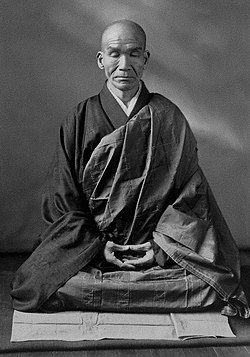
Zen Meditation, or Zazen, is a Buddhist meditation. Zazen is a term that literally refers to sitting meditation. You stay seated in this practice and pay attention to your posture and breathing.
How to Practice Zen Meditation:
- Select a Quiet Place: Sit in a quiet and peaceful place where you won’t be disturbed.
- Sit Relaxed: Sit on a pillow or chair with your back straight. Sit cross-legged or in a comfortable position.
- Position of Hands: Put your hands softly in your lap, one over the other, with your thumbs softly touching each other.
- Fix Your Eyes: Keep your eyes half-open, looking slightly downward but not concentrating on anything in particular.
- Breathe Naturally: Get in touch with your breath. Pay attention to the sensation of air moving in and out of your nostrils.
- Let Thoughts Pass: Allow thoughts if they happen to arise in your mind. Observe them, but don’t judge, and let the focus go back to your breath gently.
Zen Meditation aids you in developing concentration and awareness. Regular use can give you greater self-awareness and a calm mind.
2. Vipassana Meditation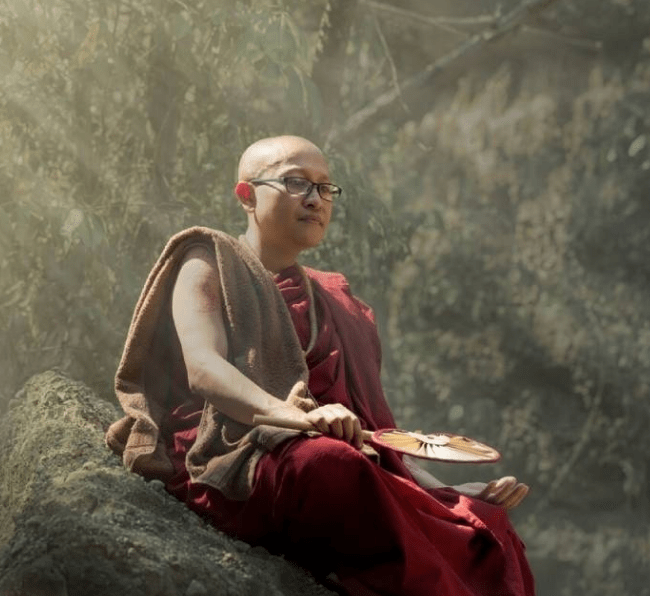
Vipassana Meditation is one of the oldest types of meditation, which the Buddha taught more than 2,500 years ago. Vipassana literally translates as insight or clear seeing. Vipassana Meditation assists you in observing your thoughts and feelings without doing anything with them.
How to Practice Vipassana Meditation:
- Sit Comfortably: Sit in a tidy sitting position with your back straight.
- Close Your Eyes: Gently close your eyes to reduce distraction.
- Bring Your Attention to Your Breath: Pay attention to your natural breath. Notice the feeling of air coming in and out through your nose or the rising and falling sensation in your belly.
- Notice Sensations: Look for any sensations in the body, such as heat, tingling, or tightness.
- Allow Thoughts: When there are thoughts or feelings, acknowledge them but don’t judge them and shift your attention back to your breath.
- Practice Regularly: Begin with brief periods, such as 10 minutes, and expand the duration as you get used to it.
Vipassana Meditation enhances your awareness and comprehend the quality of your mind. It may result in improved emotional balance and inner clarity.
3. Mindfulness Meditation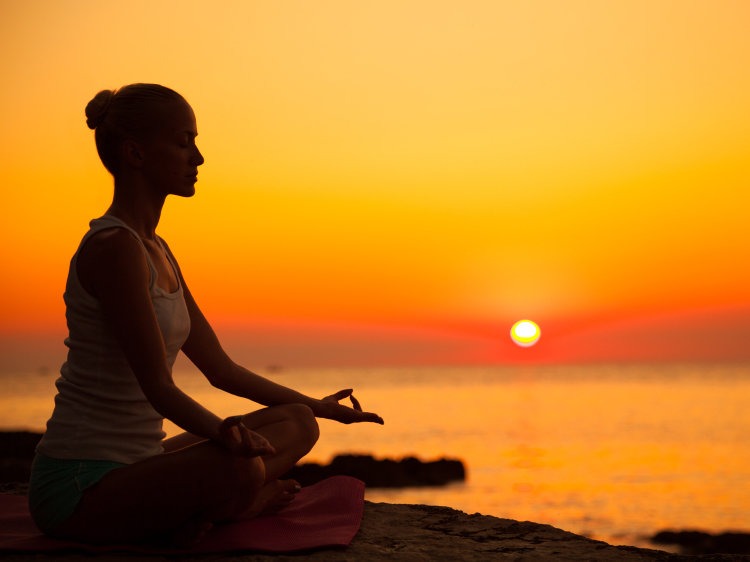
Mindfulness Meditation has its roots in very ancient Buddhist practices. It is a technique of being present here and now without judgment. During this practice, your sensitivity to your surroundings, thoughts, and feelings is cultivated.
Steps to Practice Mindfulness Meditation:
- Get a Quiet Space: Move to a quiet space where you won’t be disturbed.
- Sit Down Comfortably: Sit on a chair or cushion with an erect back.
- Focus on Your Breath: Shut your eyes and concentrate on your breath. Feel the air entering and leaving your nose.
- Notice Thoughts: When your mind wanders, please bring your focus back to your breath.
- Practice Regularly: Start with 5-10 minutes daily and gradually increase.
Mindfulness Meditation can decrease stress, improve focus, and enhance emotional health.
4. Loving-Kindness Meditation (Metta)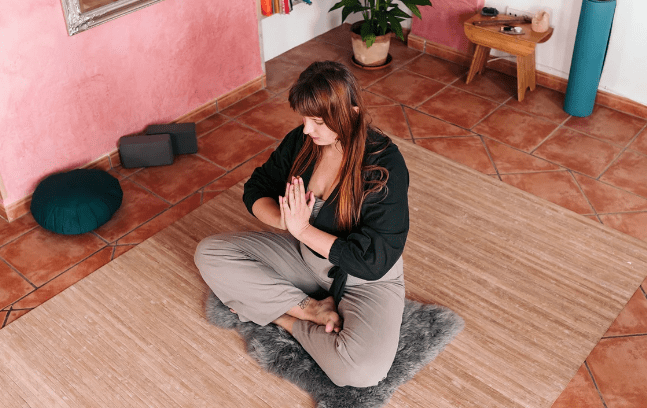
Loving-Kindness Meditation, or Metta, is about cultivating love and kindness towards others and yourself. Metta is a Pali word that is used to mean kindness and goodwill. It cultivates good thought and compassion.
How to Practice Loving-Kindness Meditation:
- Sit Comfortably: Sit comfortably in a peaceful place.
- Practice on Yourself: Close your eyes and concentrate on yourself. Say to yourself quietly, such as, “May I be happy. May I be healthy. May I live with ease.”
- Practice with Others: Imagine someone you care about and wish them the following: “May you be happy. May you be healthy. May you live with ease.”
- Engage More People: Invite friends, acquaintances, and even those you have problems with, gradually.
- Feel the Emotions: Let yourself feel the warmth and kindness as you wish.
Regular practice of Loving-Kindness Meditation can enrich empathy, decrease negative emotions, and encourage a sense of connection with others.
5. Hindu Mantra Meditation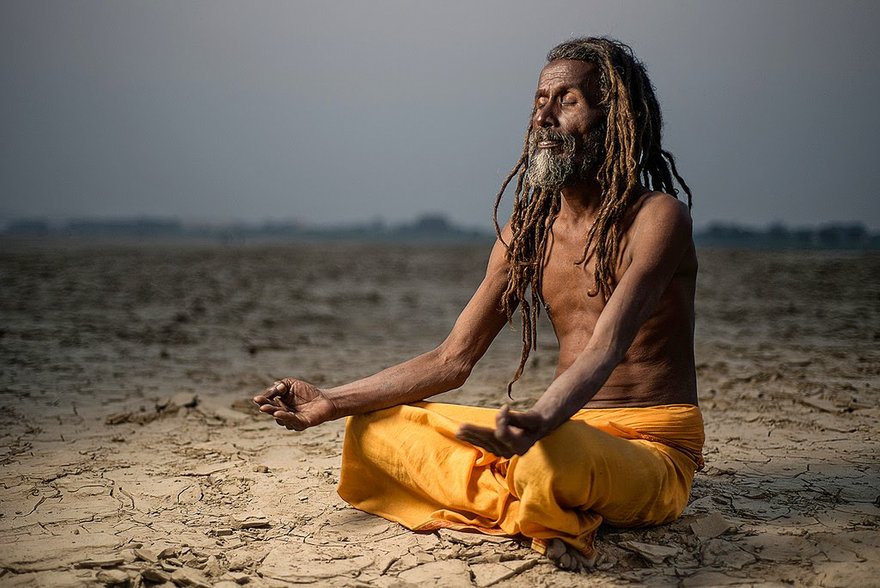
Hindu Mantra Meditation is the practice of repeating a sacred word or sentence, which is referred to as a mantra, in order to focus the mind and connect to spiritual power. Common mantras include Om or Om Namah Shivaya.
How to Practice Hindu Mantra Meditation:
- Choose a Mantra: Select a mantra that resonates with you.
- Find a Quiet Spot: Sit comfortably in a quiet spot.
- Repeat the Mantra: Close your eyes and repeat softly in your mind. You can also whisper softly.
- Listen to the Sound: Focus on the sound and vibration of the mantra. If your mind strays, bring it gently back to the mantra.
- Practice Daily: Begin with 10-15 minutes a day and increase as you feel more comfortable.
Mantra Meditation will calm the mind, decrease stress, and increase your spiritual connection.
6. Transcendental Meditation (TM)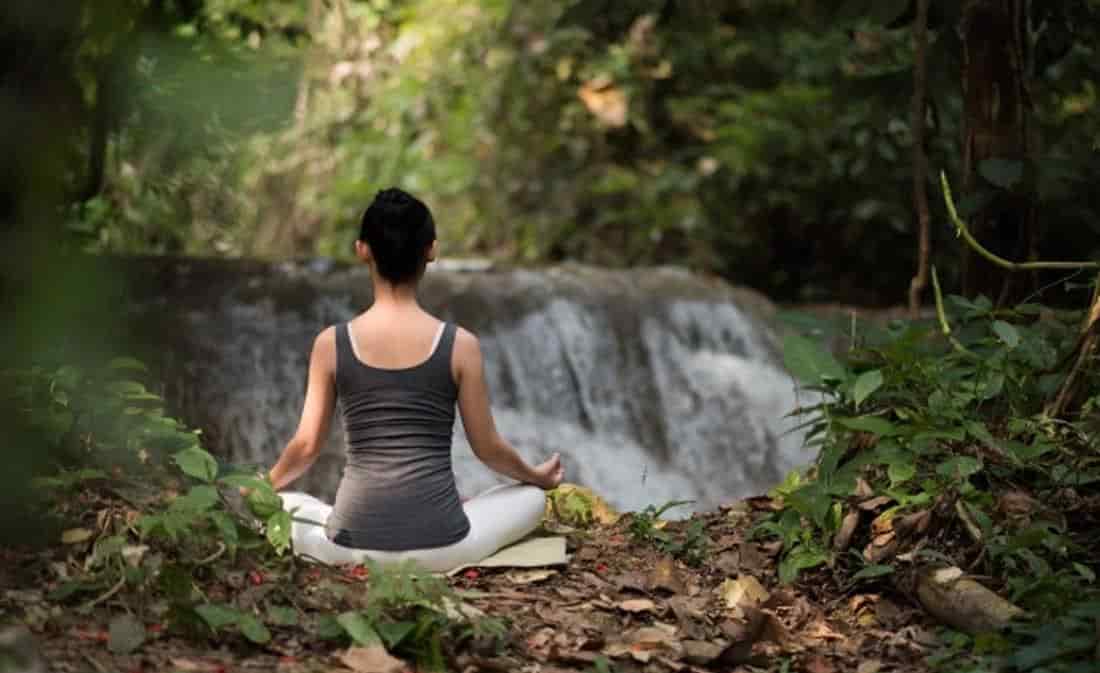
Transcendental Meditation is a technique that was developed by Maharishi Mahesh Yogi in 1955. It is practiced by millions worldwide, even including celebrities like Katy Perry.
Step-by-Step Instructions to Practice Transcendental Meditation:
- Sit Comfortably: Sit with closed eyes in a quiet place.
- Use a Mantra: Silently repeat a chosen word or a sound (mantra) in your mind.
- Duration: Practice for 15–20 minutes twice a day.
This exercise takes no effort or concentration; it is a matter of allowing your mind to become still by itself. Regular practice can lead to stress reduction, increased concentration, and a sense of inner calm.
7. Yogic Meditations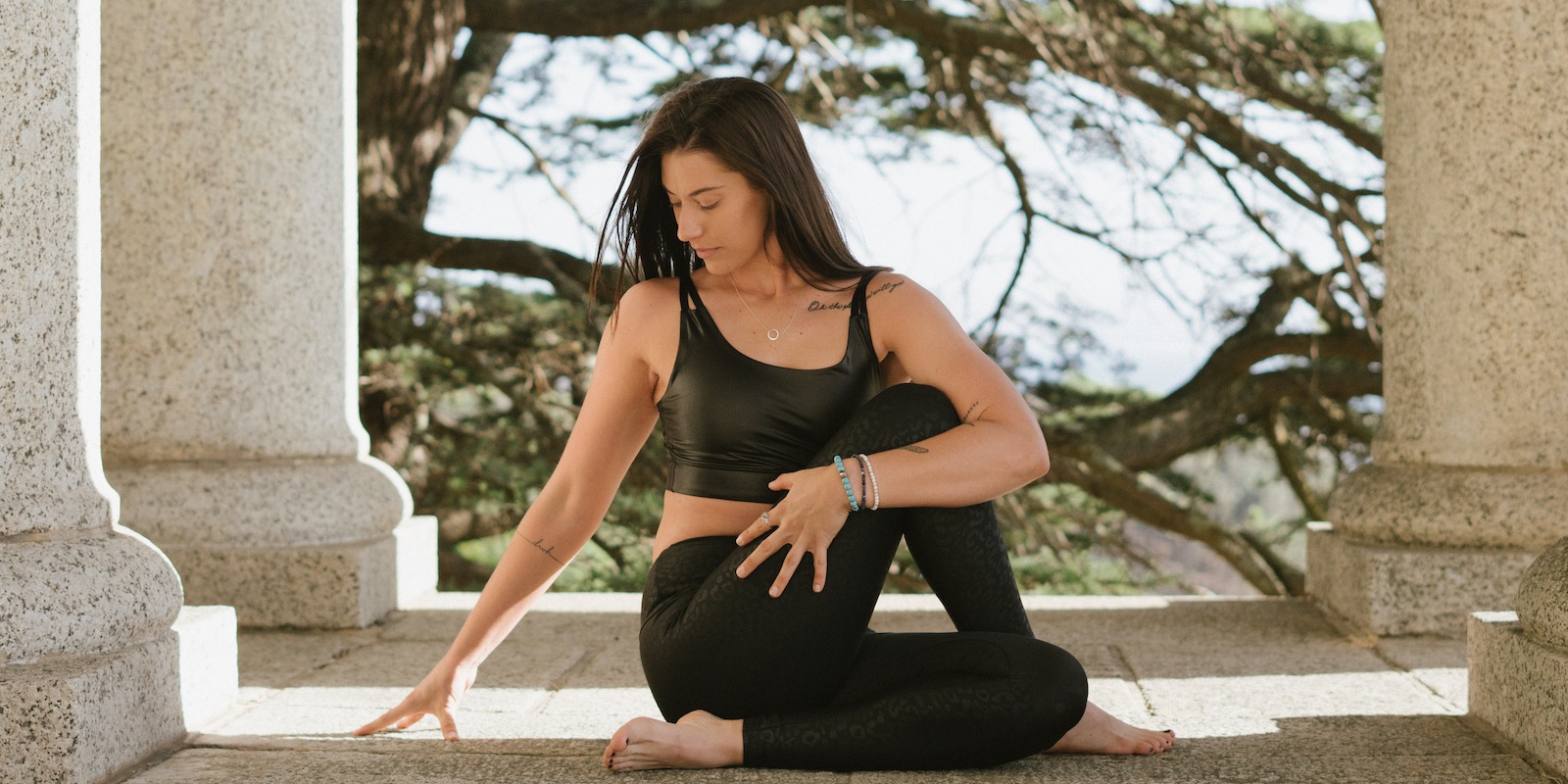
Yoga, literally meaning union, has been practiced since around 1700 BC. Yogic meditation is centered on spiritual development and self-realization.
How to Practice Yogic Meditation:
- Posture: Sit up straight, with support for your back, either in a chair or on the floor.
- Breathing: Mind the slow, deep breaths.
- Mantras: Alternatively, silently repeat a mantra like Om.
The exercise is to calm the mind, reduce negative feelings, and promote overall health.
8. Breath Awareness Meditation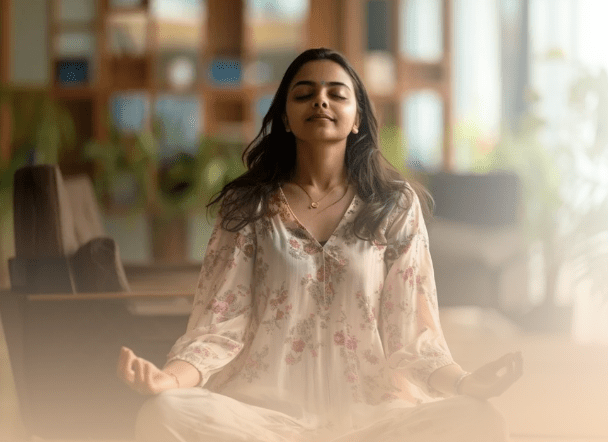
Breath Awareness Meditation is a mindfulness of normal breathing patterns.
How to Practice Breath Awareness Meditation:
- Get Comfortable: Sit in a quiet spot.
- Attune to Breathing: Focus on the air entering and leaving the nostrils.
- Counting: Optionally, count your breaths to stay focused.
Regular practice can result in less anxiety, better concentration, and more emotional flexibility.
9. Kundalini Yoga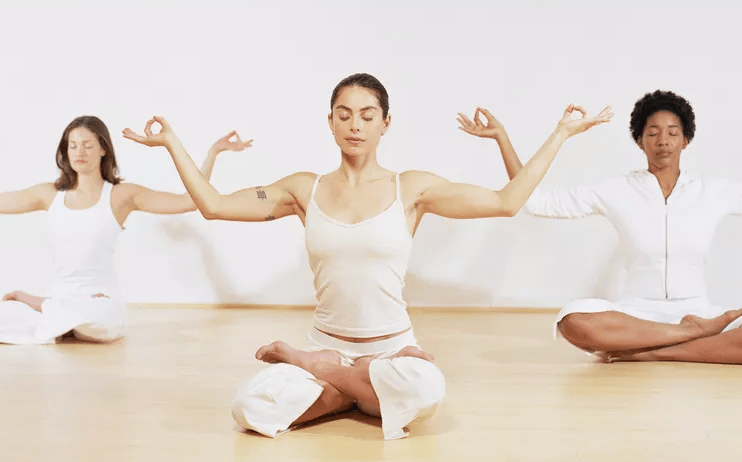
Kundalini Yoga is an active style of yoga that integrates physical postures, breathing techniques, chanting, and meditation. It seeks to awaken the Kundalini energy thought to be at the base of the spine.
How to Practice Kundalini Yoga:
- Find a Quiet Spot: Choose a quiet spot where you will not get disturbed.
- Sit Up Straight: Sit up straight, on a chair or the floor.
- Breathing Exercises: Do deep rhythmic breathing to energize the body.
- Chanting Mantras: Use distinctive sounds or words to focus the mind.
- Physical Postures: Do movements that energize the flow of energy.
Regular practice would help in developing body strength and enhance pain reduction and mental health through overcoming depression and anxiety.
10. Third Eye Meditation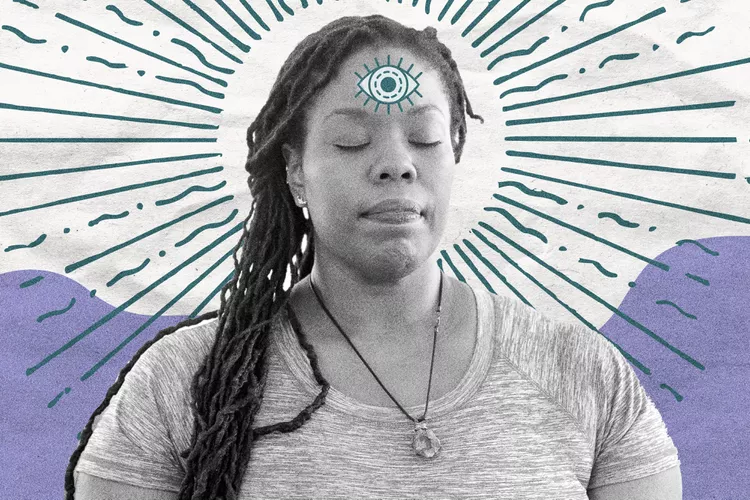
Third Eye Meditation focuses on the area between your eyebrows, which is known as the third eye or Ajna chakra. Third Eye Meditation is believed to enhance intuition and mental clarity.
How to Practice Third Eye Meditation:
- Sit Comfortably: Sit in a quiet place with your back straight.
- Close Your Eyes: Close your eyes slowly and relax.
- Focus Attention: Concentrate your attention on the area between your eyebrows.
- Visualize Light: See a brilliant indigo light there.
- Breathe Deeply: Take slow, deep breaths during the session.
If practiced regularly, this meditation can improve concentration, increase creativity, and create enhanced self-awareness.
11. Chakra Meditation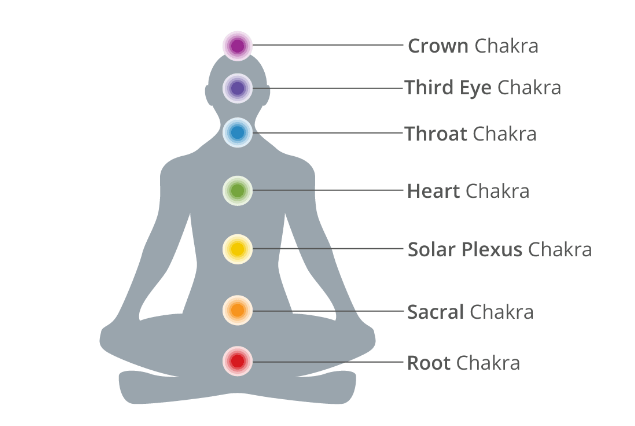
Chakra Meditation is intended to focus on the seven energy centers of the body, or chakras, for the purpose of balancing and becoming well.
The Seven Chakras:
- Root Chakra (Muladhara): Located at the base of the spine; associated with stability.
- Sacral Chakra (Svadhisthana): Below the navel, linked to creativity.
- Solar Plexus Chakra (Manipura): Upper abdomen; linked to confidence.
- Heart Chakra (Anahata): Middle of the chest; regulates love.
- Throat Chakra (Vishuddha): The throat area is linked to communication.
- Third Eye Chakra (Ajna): Between the eyebrows; linked to intuition.
- Crown Chakra (Sahasrara): Top of the head; linked to spirituality.
How to Practice Chakra Meditation:
- Sit Comfortably: Ensure your spine is straight.
- Focus on Each Chakra: Start with the root, imagine the color and position of each chakra.
- Utilize Mantras: Say unique sounds associated with each chakra.
- Breathe Deeply: Maintain steady breathing while moving through each chakra.
This exercise could help balance energy, reduce stress, and maintain overall health.
12. Gazing Meditation (Trāṭaka)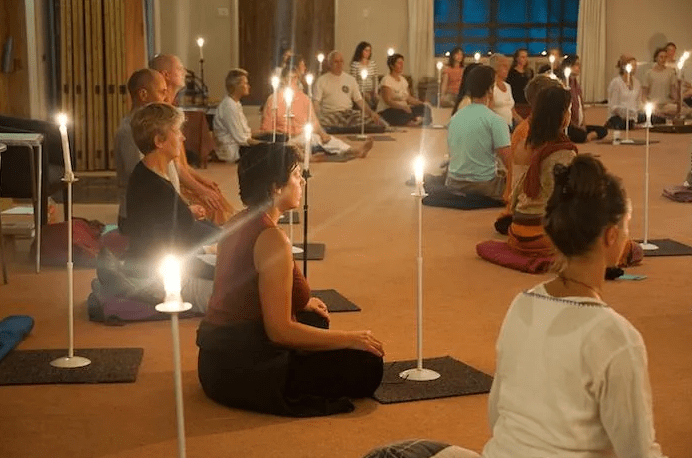
Gazing Meditation, or Trāṭaka, is an exercise that involves focusing on one object in order to develop concentration and mental focus.
How to Practice Gazing Meditation:
- Choose a Focus Point: Choose a point of focus, such as a candle flame or a symbol.
- Sit Down: Sit in a position such that the object is level with your eyes.
- Stare at the Object: Gaze at the object without blinking for as long as it feels comfortable.
- Close Your Eyes: Then close your eyes and visualize the object in your mind.
- Repeat: Repeat this exercise regularly to develop concentration.
This practice may improve focus, strengthen the eyes, and calm the mind.
13. Kriya Yoga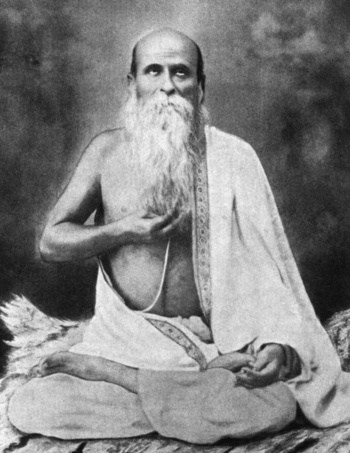
Kriya Yoga is an exceptional method of meditation that utilizes breathing and concentration to help people feel closer to God and understand themselves better. A great guru named Paramahansa Yogananda taught it. It is great for spiritually oriented people and those seeking to experience inner peace.
How it works:
- You get trained to breathe in a calm and steady way.
- You focus your mind on your breath and your heart in the process.
- With practice, this leaves you feeling peaceful and connected to something greater than yourself.
Kriya Yoga is like giving your mind a gentle rest while letting your heart be open to love and compassion.
14. Nada Yoga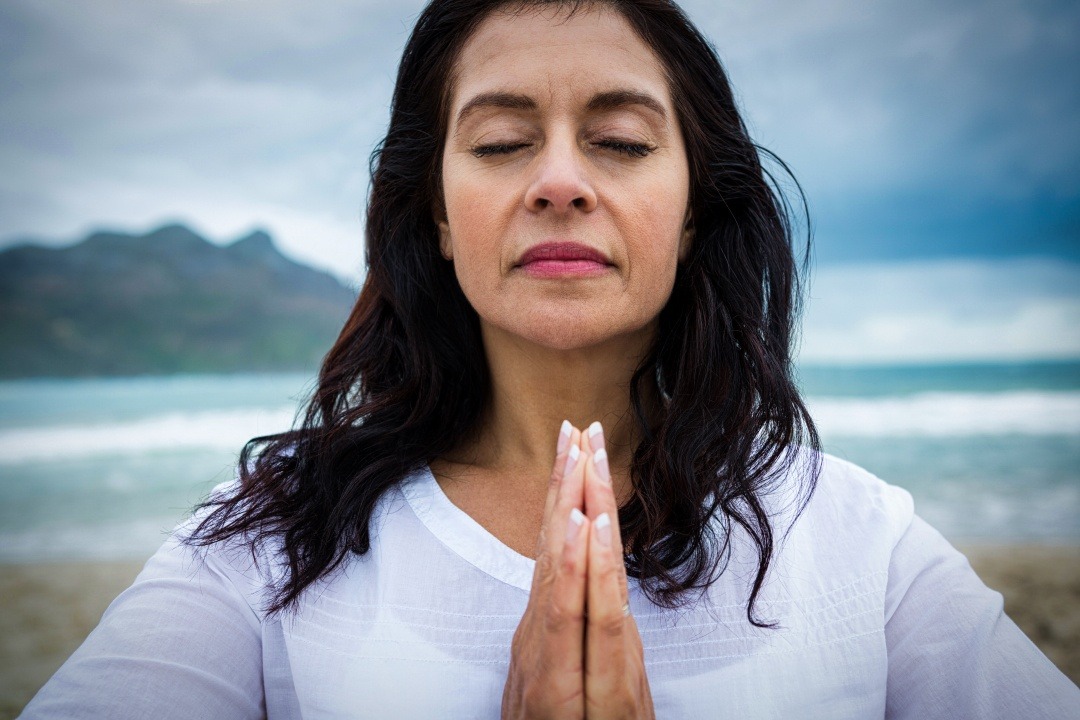
Nada Yoga is a meditation where you listen carefully to sounds to calm down and still your mind. Nada is a word that means sound. To begin with, you can listen to peaceful music or nature sounds. Next, you try to listen to the soft sound inside you called OM.
How it works:
- Start by listening to calming sounds around you.
- And now, shut your eyes and listen in an attempt to hear the subtle sound within your own body.
- This calms the mind down and makes you relaxed.
Nada Yoga teaches you to live peacefully while listening deeply to sounds, however minimal.
15. Taoist Meditation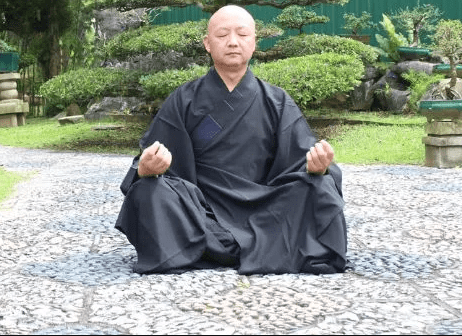
Taoist Meditation is an ancient Chinese practice and is all about helping the energy in your body, called “qi,” move smoothly. When your qi moves smoothly, you are healthy and happy. This meditation calms your body and mind.
How it works:
- You sit quietly and breathe slowly.
- You imagine your energy moving through your body like a smooth river.
- This makes you calm and strong.
Taoist Meditation is like providing your mind and body with a peaceful rest, leaving you feeling grounded and refreshed.
Conclusion
All these meditation practices—Kriya Yoga, Nada Yoga, and Taoist Meditation—are like tools that provide you with a sense of calmness, happiness, and unity. They all accomplish it in one way or another, like through breathing, listening, or imagining energy, to lead you to inner peace.
If you want to learn more, there are centers in Pokhara, Nepal, where you can learn these and other types of meditation. Practicing them can enable you to decide which one is most natural for you and can bring greater happiness and peace into your life.