


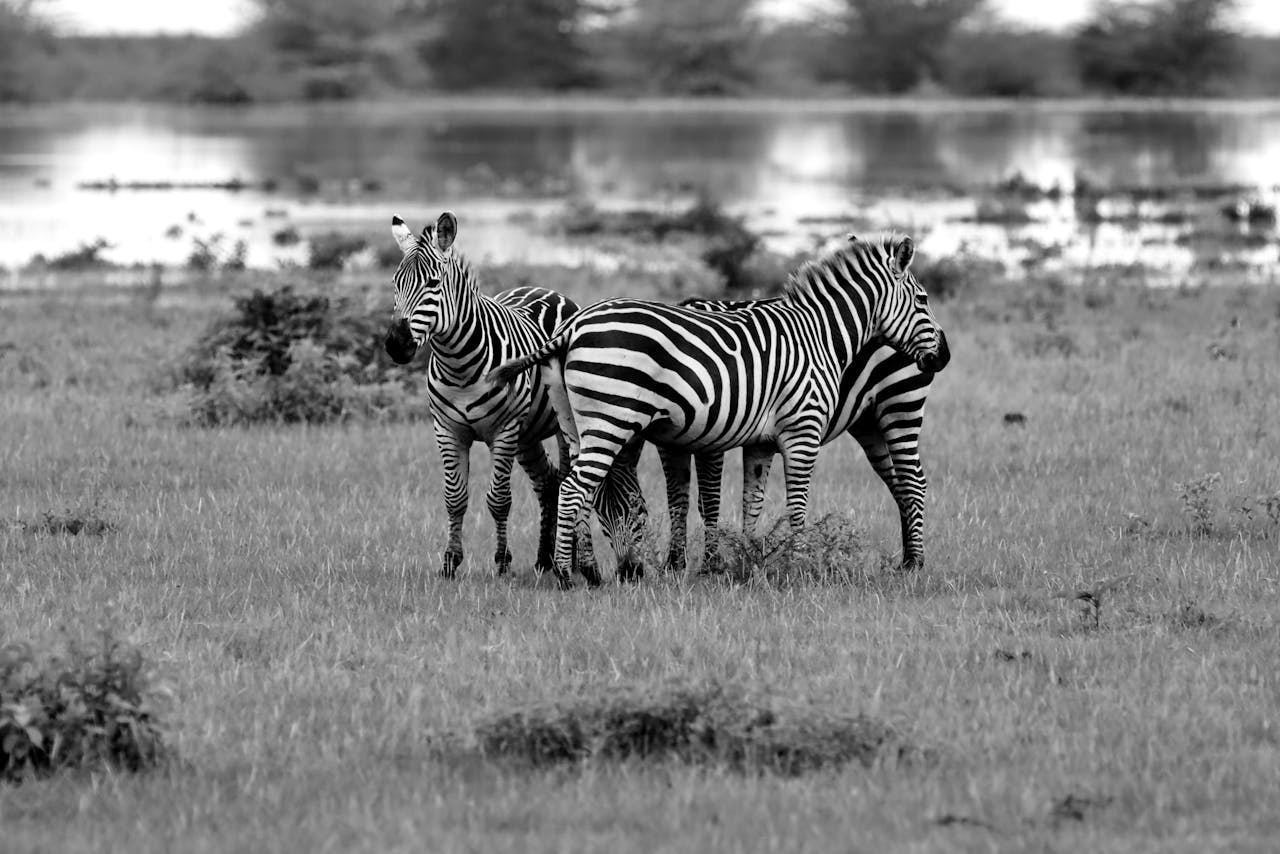
If you are dreaming of a truly wild and amazing safari in Tanzania, we have got your adventure covered in this article. Most animal-watching tourists start their journeys in Tanzania because it sits among 20 potential wildlife destinations in its geographic area. The country holds two internationally famous wildlife areas, Ngorongoro Crater and Serengeti National Park.
Ngorongoro Crater has the world’s largest surviving caldera, with a 100-square-mile extent. Big cats stand alongside elephants and rhinos among the 25000 animals that live in the area. Wildlife viewing reaches its peak at Serengeti National Park because animals become trapped by the boundaries that naturally define their borders.
Tourists worldwide consider the Serengeti National Park to be the leading wildlife destination worldwide. The Great Migration yearly drew international attention to this 12,000 square kilometer area where tens of thousands of wildebeests and zebras led their annual migration route across grasslands in their search for food and water.
Before experiencing a Tanzanian safari, you need to remember essential insights to make your journey unforgettable. Here is what you should know:
It is Not Like TV—But It is Even Better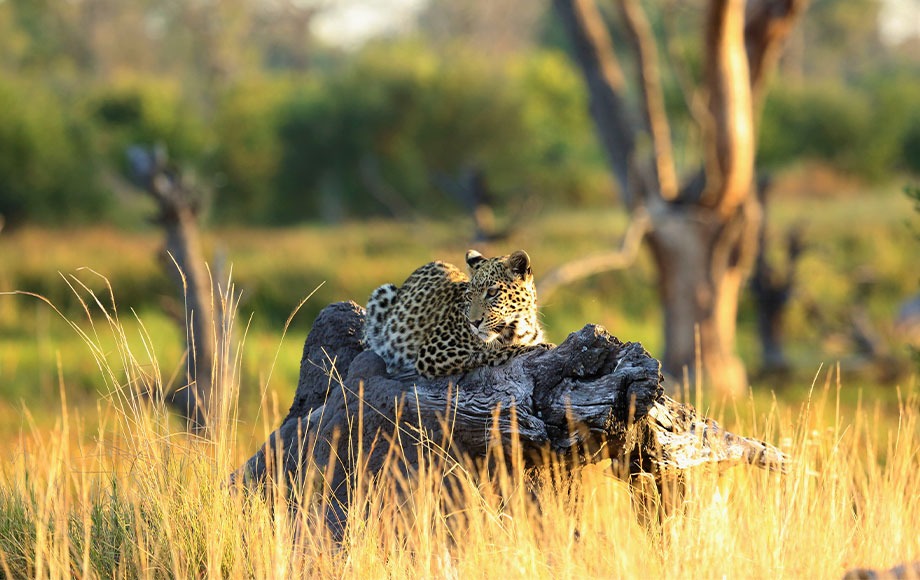
Nature documentaries are suspenseful because they present the most intense action, cut together from months of footage. On a real safari, you might not get action around the clock—but when you do, it is real and in front of your eyes. A hunt sighting is uncommon, but if you happen to see one, it is something you will never forget.
- Wildlife sightings depend on luck. You might see a lion hunting, or you might spend hours searching for one.
- Animals move freely. Unlike zoo enclosures, these creatures roam vast landscapes, so patience is key.
- No guarantees. Even in the Serengeti, nature does not perform on demand.
Most of the time, the animals are just sleeping, eating, or walking around. But that is all part of the adventure—you never know what you will be seeing next! The longer you are on safari, the higher your chances of getting something wonderful.
Tip: Do not expect too much. The magic of a safari is in the unplanned moments—a giraffe inspecting your jeep with interest or an elephant herd crossing the road.
Be Ready for a Rough Ride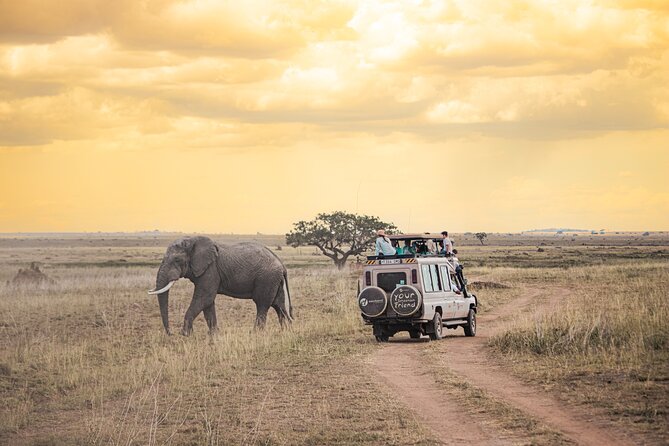
Forget paved roads—safari roads are dusty, potholed, and full of bumps. The constant jolting in your seat is jokingly called an “African massage.” It will be thrilling for a couple of hours, but after some hours, you will get used to it.
There is dust everywhere, especially in the dry season. A cloud of dirt could blind you as another vehicle whizzes by. Bring a bandana or scarf to cover your mouth and nose if needed. Safaris are tiring, too.
What to bring:
- Neck pillow – Helps with comfort during long rides.
- Bandana or face mask – Keeps dust out of your nose and mouth.
- Layered clothing – Mornings are chilly, and afternoons get scorching hot.
Safaris Are Safe—As Long as You Stay in the Car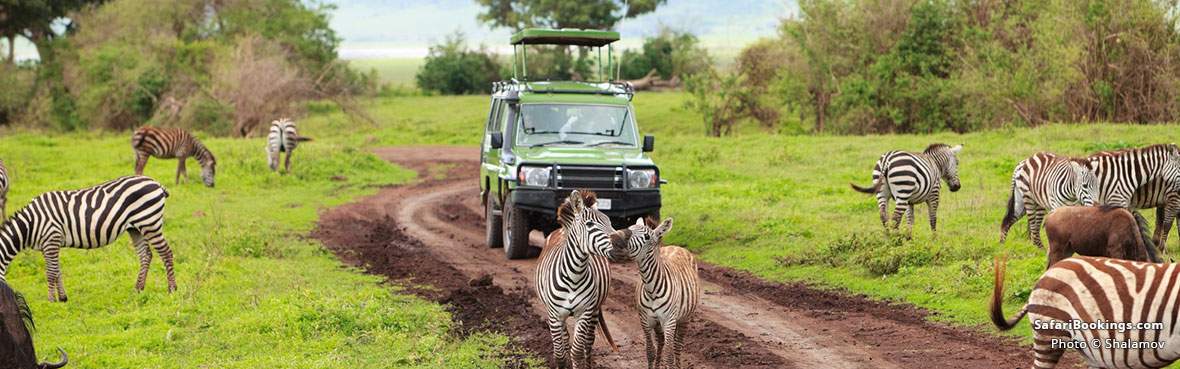
These animals you will be able to observe are wild, but they have become used to safari vehicles. They do not see the vehicle as a source of danger, so they ignore it. That is why you can approach lions, elephants, and even cheetahs without any risk.
But never step outside the vehicle unless your guide instructs you that it is safe. Animals that are not comfortable around cars may react in a different way toward someone who is moving about. If you need a toilet stop, your guide will lead you to a point of safety.
Animals even tend to touch the car. Lions can sleep beneath it in the shade, or a cheetah will jump up onto the roof to check things out. These types of things do not happen often but are lovely to see!
Your Guide Knows Where to Find the Animals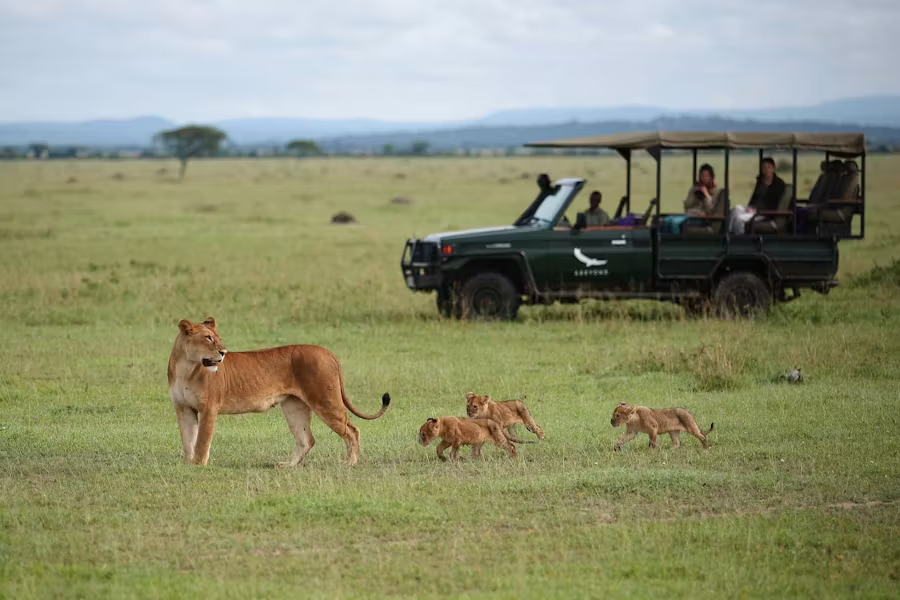
Safari guides specialize in tracking wildlife. They know the parks and how animals move. They also communicate with other guides so that they can pick up on where recent sightings have been.
At first, you might not be able to spot animals in the distance. But after a couple of days, you will have “safari eyes” and be better at spotting movement in the grass or trees. By the time you depart, you might even be able to spot an animal before your guide!
You Will See Lots of Animals—But Maybe Not Every Kind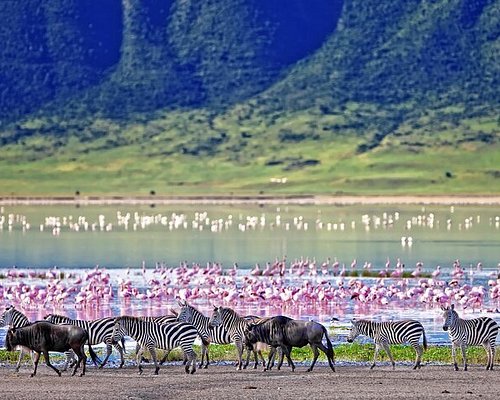
There will be many different animals that you can spot on your vacation, although certain species are more likely to be spotted. You will see sheep-like animals, such as zebras and wildebeests, along with buffalo.
These animals are some of the most commonly found in the region. Three animal specimens, which include elephants, giraffes, and hippos, also inhabit these regions.
There is a pride of lions that resides together, and also, they are relatively easy to locate. Of all the other wildlife sightings, the “Big Five” – lion, leopard, elephant, buffalo, and rhino – are what tourists want to experience the most.
- Rhinos are very rare—there are not many left in the wild.
- Cheetahs are tricky to spot because they hide in tall grass.
- Leopards are the hardest big cats to find—they love hiding in trees. Look for a tail dangling from the branches!
You are in Charge of Your Safari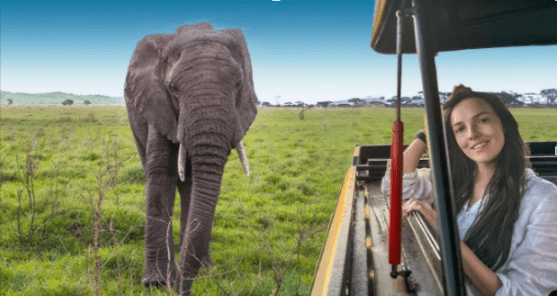
Your safari is private, meaning it is just you and your group. You decide:
- Which animals do you want to focus on
- How long do you want to watch them
- When you are ready to head back to camp
If you love lions, tell your guide—they will do their best to find them. If you are tired and want to call it a day, just say so!
Five Days Is the Perfect Safari Length
Most people do a 5-day safari, which gives you enough time to explore multiple parks without feeling rushed. The best parks to visit are:
- Ngorongoro Crater – Packed with animals in a small area.
- Serengeti National Park – Famous for its endless plains and wildlife.
- Tarangire & Lake Manyara – Great for elephants and birdwatching.
Shorter trips (2-3 days) are possible, but you will miss out on some incredible sights.
You Can Fly Over the Serengeti in a Hot Air Balloon
Try a hot air balloon ride over the Serengeti at sunrise for an extra-special and breathtaking view. You will float above the plains, spotting herds of animals from the sky. It is expensive but worth it—many travelers say it is the highlight of their trip!
Tented Camps Are Surprisingly Luxurious
Do not worry—you would not be sleeping in a flimsy tent! Safari tented camps are comfortable, with:
- Real beds and mosquito nets
- Electricity and Wi-Fi
- Hot showers and flush toilets
You will eat delicious meals at the camp and fall asleep to the sounds of nature.
You Do not Need Fancy Gear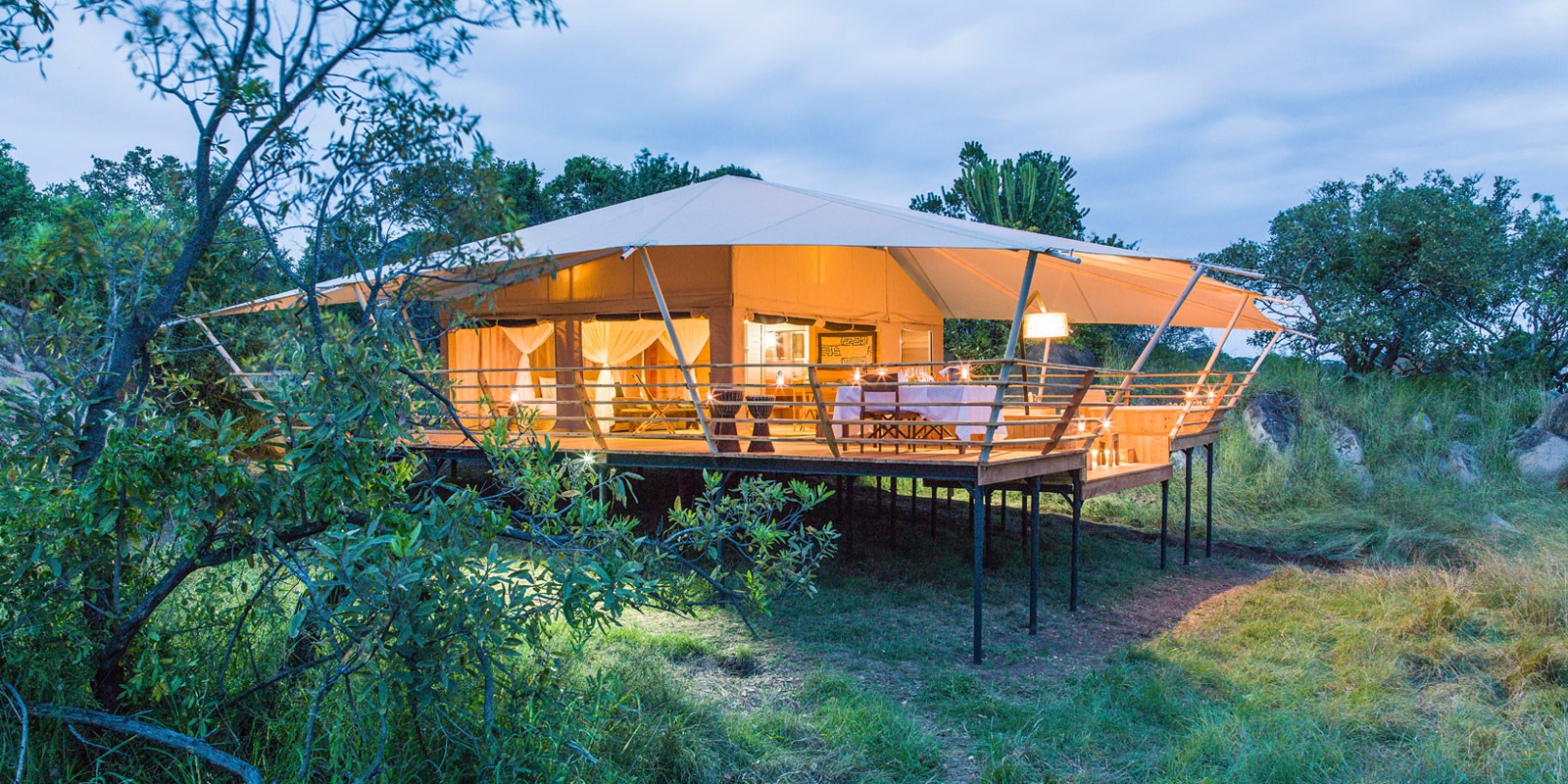
If you are also climbing Kilimanjaro, you already have everything you need for the safari. Just pack:
- Comfortable clothes (light layers for day, warm layers for night)
- A wide-brimmed hat and sunglasses
- A camera (a phone works, but a DSLR with a zoom lens is best for wildlife shots)
Binoculars are helpful, but your guide will likely have a pair.
Additional Considerations for a Rewarding Safari
Best Season:
Visitors should visit from June through October for wildlife observations because the dry phase results in animals gathering at watering spots. The prime time to witness river crossings in the Serengeti falls between July and September.
Appropriate Clothing:
Layered clothing is the best choice for tourists because of variable temperatures, especially in Ngorongoro Crater, which gets cold at night. Carrying a fabric that can function as a sweater or fleece becomes necessary for these situations.
Medical Precautions:
Discuss vaccinations and malaria prophylaxis with a medical doctor prior to departure. Bring a simple first aid kit, sunscreen, insect repellent, and any personal medication.
Tipping Habits:
Tipping is standard on Tanzanian safaris. The rule is to tip your safari guide $15-$25 a day per person, depending on the quality of service.
Cultural Sensitivity:
Dress respectfully when visiting village or community people and ask permission first before you photograph people. A considerate attitude toward local culture adds richness to your travel.
Conclusion: A Safari Is an Adventure You Will Never Forget
A real safari is not like TV but better. Rather than sitting and looking at edited videos, you will witness wild animals in the wild doing what they do on a daily basis.
Yes, the rides are rough, and you may not get to see each animal you want to see, but the experience is something else.
From the excitement of seeing a lion to the serenity of an early morning hot air balloon ride, a safari is full of memories that you will treasure for a lifetime.
Do it for three days or seven; you will be leaving with memories that are just unbelievable—and perhaps some fabulous photos, too!