


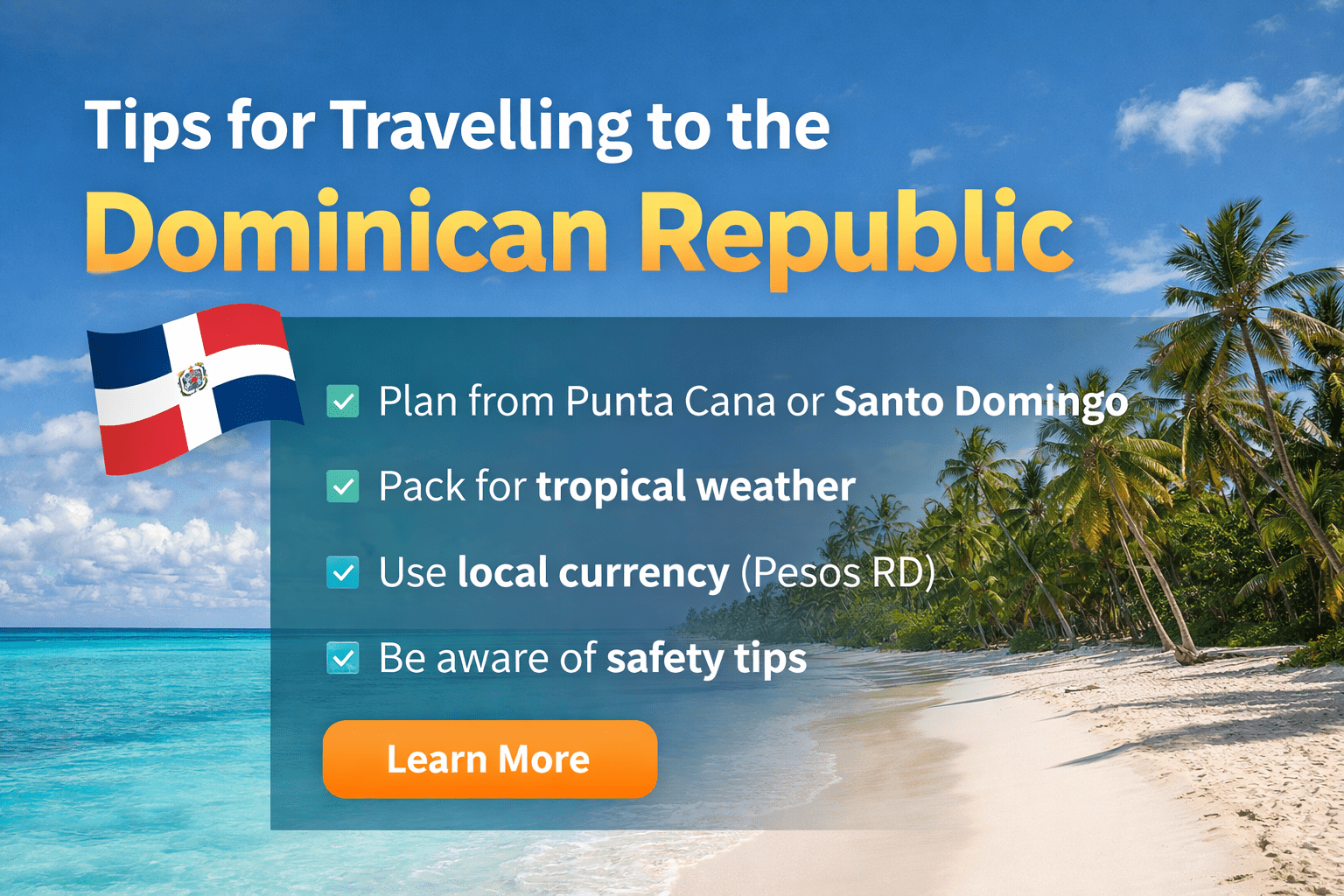
The Dominican Republic is seated on the Caribbean Island of La Espanola. From the geographical perspective, the country shares the island with Haiti. It is the second largest island nestled in the archipelago of the Antilles. The Dominican Republic is also nicknamed as ‘Quisqueya’ by people of this beautiful island. It means “mother of all lands” and is originally used by the native Taino for La Espanola.
For most of the foreign travellers, mention of Dominican Republic reminds them of beaches, hotels and resorts. However, there are always more to it. Santo Domingo, which was founded way back in 1496, is the first city in the modern world. This old city paves way for the monumental route and its colonial area has been declared a World Heritage Site by UNESCO. If you are among those who want to visit this great country, you are in the right place. I will share some great travel tips with you to make your journey funnier and bigger a party.
All imaginable kinds of luxury are available in every resort in the Dominican Republic. However, most of these expensive resorts are located in Puerto Plata and Punta Cana. However, if you are in favour of more thrill and adventure, the country has a rich blend of picturesque landscapes and cultural blends to be intimate with. The country, which is still the most unknown territory on the island, receives footfalls from only a few visitors. Despite a very depressed economy, the country has all natural makings especially in terms of landscape diversity to mesmerize the visitors.
Best Time to Visit the Dominican Republic
Timing your trip right can make a huge difference to your experience. The Dominican Republic enjoys a tropical climate year-round, but there are better and worse times to visit depending on what you are looking for.
The peak tourist season runs from December to April, when the weather is dry, sunny, and pleasantly warm. This is the ideal window for beach holidays, water sports, and exploring the island without the worry of rain disrupting your plans. However, expect higher hotel prices and busier resorts during this period.
If you are travelling on a budget, consider visiting between May and November. While this is the rainy season and also hurricane season, showers tend to be short and sharp rather than all-day affairs. Prices drop significantly, and the island feels far less crowded. Just keep an eye on weather forecasts, particularly from August to October when hurricane risk is at its highest.
Sort Your Entry Requirements Before You Fly
Before you pack your bags, make sure your travel documents are in order. Most visitors to the Dominican Republic do not need a visa, but you will need a valid passport with at least six months of validity remaining beyond your travel dates.
Since 2021, the country no longer charges a separate tourist card fee at the airport — it is now included in your airline ticket price. However, entry requirements can change, so always check with the official Dominican Republic immigration authority or your country’s foreign affairs website before travelling.
Travel insurance is also strongly recommended. Medical care in tourist areas is generally good, but private hospital treatment can be expensive. A comprehensive travel insurance policy that covers medical emergencies, trip cancellations, and lost luggage will give you genuine peace of mind throughout your trip.
Choose the Right Region for Your Trip
The Dominican Republic is a surprisingly large and varied country, and where you stay will shape your entire experience. Do not assume all resort areas are the same — each region has its own distinct character.
Punta Cana is the most popular destination, famous for its stunning beaches, all-inclusive resorts, and lively nightlife. It is perfect for couples, families, and first-time visitors who want a relaxed, hassle-free holiday.
Santo Domingo, the capital city, is a must-visit for history lovers. It is home to the oldest colonial city in the Americas, a UNESCO World Heritage Site packed with colonial architecture, museums, and vibrant street life.
Samaná Peninsula is a hidden gem beloved by nature lovers. It offers whale watching from January to March, dramatic waterfalls like El Limón, and a quieter, more authentic Caribbean experience.
Puerto Plata on the north coast blends beach life with adventure travel, offering zip-lining, cable car rides, and a charming historic centre.
Take time to research each region before booking so that your base matches your travel style and interests.
Get Around Like a Local
Getting around the Dominican Republic is part of the adventure, but it pays to know your options before you arrive.
Renting a car gives you the most freedom to explore at your own pace, especially if you plan to venture beyond the resort areas. Roads in tourist areas are generally well-maintained, though driving standards can be unpredictable. Always rent from a reputable company and take out full insurance coverage.
Guaguas (local minibuses) are the cheapest way to travel between towns and cities, but they can be crowded and confusing for first-time visitors. If you are feeling adventurous and on a tight budget, they are a great way to experience local life.
Motoconchos (motorcycle taxis) are everywhere and affordable for short distances, but they carry some safety risks. If you use one, always negotiate the price before getting on and hold on tight.
For longer distances, coach services between major cities like Santo Domingo and Santiago are comfortable, affordable, and reliable. Companies like Caribe Tours and Metro Bus operate regular routes across the country.
Embrace the Local Food and Drink Scene
One of the greatest pleasures of visiting the Dominican Republic is the food. While all-inclusive resorts are convenient, do not spend your entire trip eating buffet meals — step outside and discover the incredible flavours of Dominican cuisine.
La Bandera is the national dish — a hearty plate of rice, red beans, meat, and salad that fuels locals through the day. Look for small family-run restaurants called comedores where this is served fresh and cheap.
Mangú is a beloved breakfast staple made from mashed plantains, typically served with fried eggs, salami, and cheese. It is deeply satisfying and a must-try experience.
Street food is another highlight. Look out for tostones (twice-fried plantains), empanadas, and chicharrón (fried pork) sold from roadside stalls and markets.
For drinks, sip on Presidente beer, the nation’s favourite lager, or try Mamajuana — a traditional Dominican drink made from rum, red wine, and honey infused with tree bark and herbs. It is an acquired taste, but very much a part of local culture.
Fresh tropical fruit juices are also everywhere and absolutely delicious. Mango, passion fruit, tamarind, and soursop are all worth trying.
Stay Safe and Be Street Smart
The Dominican Republic is a wonderful destination, but like anywhere in the world, it pays to stay aware of your surroundings and take sensible precautions.
Stick to well-lit and busy areas after dark, particularly in cities like Santo Domingo. Keep your valuables out of sight, use hotel safes for passports and extra cash, and avoid wearing flashy jewellery or carrying expensive camera equipment openly in busy markets or streets.
When using ATMs, opt for machines inside banks or shopping centres rather than standalone street ATMs. Inform your bank before travelling so your card is not blocked for suspicious activity abroad.
Only use licensed taxis or reputable ride-hailing apps rather than unmarked vehicles. Your hotel reception can always recommend trusted local drivers or arrange transfers on your behalf.
The tap water in the Dominican Republic is not safe to drink. Always buy bottled water and use it even for brushing your teeth in areas outside of major resorts.
Respect the Local Culture
The Dominican people are warm, welcoming, and enormously proud of their culture, history, and identity. Taking the time to respect and engage with local customs will enrich your experience enormously.
Learning a few basic phrases in Spanish goes a very long way. Dominicans genuinely appreciate when visitors make the effort to speak the local language, even if it is just a simple “buenos días” (good morning) or “gracias” (thank you).
Dress modestly when visiting churches, local markets, and communities away from the beach. What is perfectly acceptable resort wear on the beach is not always appropriate in everyday settings.
Tipping is an important part of the local economy. In restaurants, a tip of around 10–15% is standard and very much appreciated by service staff. Hotel housekeeping, tour guides, and taxi drivers will also welcome a small tip for good service.
Be mindful about sustainable tourism. Avoid purchasing products made from coral, tortoiseshell, or other protected marine species. Choose tour operators that respect local ecosystems and support community-based tourism wherever possible.
Make the Most of the Outdoors
Beyond the beaches, the Dominican Republic is an outdoor lover’s paradise that many visitors sadly never explore.
The 27 Waterfalls of Damajagua near Puerto Plata is one of the country’s most thrilling experiences — a guided trek through jungle and river canyons with natural waterslide jumps into crystal-clear pools.
Pico Duarte, the highest peak in the Caribbean at over 3,000 metres, offers a challenging multi-day hiking experience through stunning mountain scenery for those who are prepared and physically fit.
Los Haitises National Park in the northeast is a breathtaking landscape of mangroves, limestone caves, and lush rainforest, best explored by boat tour.
For water lovers, the reefs around Bayahibe offer some of the best scuba diving and snorkelling in the Caribbean, with clear waters, abundant marine life, and even a wreck dive at the Hickory site.
It is important for the visitors to know the culture of Dominicans. It will help you mix with them more freely. Some of their most popular traditions are fighting cocks, the Carnival and dance, Bachata and Merengue in particular.
An extensive variety of most delicious dishes will be a bonus for your trip to the Dominican Republic. These cuisines have strong influence of Taino, African and European culinary traditions and are rich in flavours.