


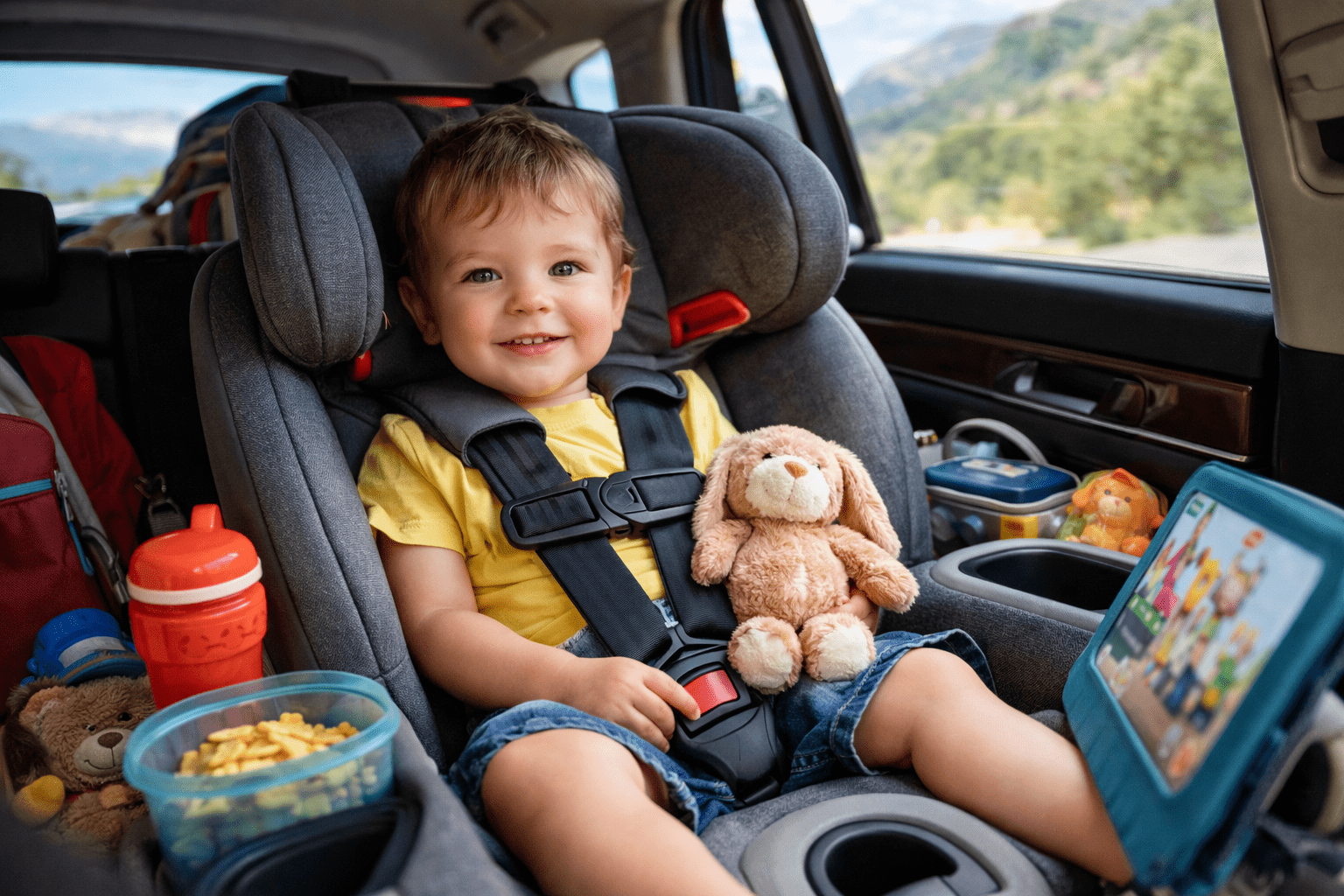
Traveling with a toddler by car can feel like a big adventure, sometimes a joyful one and sometimes a challenging one. If you’ve ever taken a long drive with a toddler, you already know that what might be a simple road trip for adults can quickly turn into a complex journey filled with snack requests, sudden naps, and unexpected meltdowns.
As a parent, I’ve learned that the secret to a successful road trip with a toddler isn’t perfection—it’s preparation and flexibility. Toddlers thrive on routines, comfort, and entertainment, and when those needs are met, family road trips can become some of the most memorable experiences you share together.
In fact, road travel remains one of the most popular ways for families to explore. According to the American Automobile Association (AAA), more than 80% of family vacations in North America involve road trips, largely because they offer flexibility, cost savings, and the ability to travel at your own pace. For parents with young children, that flexibility can make a huge difference.
If you’re planning a drive with your little one, these practical and parent-tested tips will help make travelling with a toddler by car much easier.
Plan Your Route and Travel Schedule
One of the biggest mistakes parents make when traveling with toddlers is trying to cover too much distance at once. While adults might be comfortable sitting in a car for several hours, toddlers usually need frequent movement and stimulation.
Before starting your journey, take time to plan your route carefully. Look for places where you can stop along the way parks, rest areas, or small attractions that allow your child to stretch and explore for a few minutes.
Many parents also find it helpful to schedule travel during a toddler’s natural sleep time. Driving during nap time or early evening can help your child sleep through a portion of the journey, reducing the chances of boredom or restlessness.
According to pediatric travel experts, toddlers generally tolerate about 2 to 3 hours in a car seat before needing a break. Planning stops around this timeframe can help prevent frustration for both parents and children.
Pack a Dedicated Toddler Travel Bag
Packing efficiently can make a huge difference when traveling with young children. Instead of digging through multiple bags every time your toddler needs something, prepare a small travel bag that contains everything you might need during the drive.
Some essential items include:
- Healthy snacks
- Water or milk bottles
- Baby wipes and tissues
- Diapers or training pants
- A change of clothes
- Small toys or books
Having these items easily accessible can save time and reduce stress during the trip. Toddlers are unpredictable, and quick access to essentials can help parents handle situations smoothly.
Parents often underestimate how quickly toddlers go through snacks and drinks. Packing a little extra food can help prevent sudden hunger-related tantrums, especially during longer drives.
Bring Plenty of Snacks
Snacks are one of the most powerful tools parents have when traveling with toddlers. A hungry toddler can quickly become a cranky traveler, so keeping a steady supply of snacks can help maintain a good mood throughout the trip.
Choose snacks that are easy to eat and not too messy. Options such as crackers, sliced fruit, cheese cubes, yogurt pouches, or small sandwiches work well during road trips.
According to child development specialists, toddlers typically require about 1,000 to 1,400 calories per day, depending on age and activity level. During travel days, eating patterns may change, so offering small snacks regularly can help maintain energy levels.
Spill-proof snack containers are also extremely helpful, as they reduce mess and allow toddlers to eat independently.
Keep Toddlers Entertained
One of the biggest challenges during road trips is keeping toddlers entertained. Young children have short attention spans, which means boredom can set in quickly.
Bringing a variety of toys and activities can make a big difference. Books, coloring materials, puzzles, and soft toys are great options because they are easy to use in a car seat.
Many parents also prepare a small “surprise bag” filled with new toys that the child has never seen before. Introducing these items slowly during the journey can keep toddlers curious and excited.
Music is another powerful tool for keeping children happy in the car. Singing along to favorite songs or playing children’s playlists can create a fun atmosphere during the drive.
Some parents also use audiobooks or simple storytelling to maintain engagement during longer stretches of travel.
Take Frequent Breaks
Even if your toddler seems comfortable, it’s important to schedule regular breaks during a road trip. Sitting in a car seat for long periods can be uncomfortable for young children.
Stopping every two or three hours allows toddlers to move, stretch, and release energy. These short breaks can prevent restlessness and make the rest of the journey much smoother.
A quick stop at a park or open area can work wonders. Just ten minutes of running around can reset a toddler’s mood and help them relax during the next leg of the drive.
Research from pediatric safety organizations also suggests that taking regular breaks during long drives improves alertness and reduces driver fatigue, which benefits both parents and children.
Create a Comfortable Car Environment
Comfort plays a huge role in how toddlers behave during travel. A well-prepared car environment can make the difference between a peaceful drive and a stressful one.
Make sure your child’s car seat is properly installed and adjusted for comfort. Bring familiar items from home, such as a favorite blanket or stuffed toy. These items can help toddlers feel safe and relaxed during the trip.
Temperature is another important factor. Cars can become too warm or too cold quickly, so adjusting the air conditioning or heating regularly helps maintain a comfortable environment.
Parents often find that familiar items and routines make traveling easier because toddlers feel more secure in unfamiliar situations.
Stay Flexible and Patient
Even with the best planning, road trips with toddlers rarely go exactly as expected. Traffic delays, weather changes, or sudden mood swings are part of the experience.
One of the most important things parents can do is stay flexible. If your toddler needs an extra break, take one. If the schedule changes, adjust your plans without stress.
Children often pick up on their parents’ emotions. When adults remain calm and patient, toddlers are more likely to feel secure and cooperative.
Family travel experts often emphasize that successful trips are less about perfect planning and more about adapting to the moment.
Prioritize Safety
Safety should always be the top priority when traveling with a toddler by car.
The Centers for Disease Control and Prevention (CDC) reports that properly used car seats reduce the risk of injury by up to 71% for infants and 54% for toddlers in passenger vehicles.
Before starting your trip, ensure your child is secured in an age-appropriate car seat that meets safety standards. Check the harness, seat positioning, and installation regularly during stops.
Parents should also avoid distractions while driving and ensure that loose objects inside the car are secured to prevent injuries during sudden stops.
Make the Journey Part of the Adventure
One of the most rewarding parts of traveling with toddlers is seeing the world through their eyes. Simple things—watching passing trucks, spotting animals, or singing along to songs—can become exciting moments for young children.
Instead of focusing only on reaching your destination, try to enjoy the journey itself. Encourage your toddler to look out the window, point out interesting sights, or talk about where you’re going.
These small interactions can turn an ordinary car ride into a meaningful family experience.
Feeding Time
If you are still breast-feeding your toddler, you can easily do it in your private car. Most of the toddlers are used to feeding from bottle. If you keep your baby on bottle and feed it jar food, carry disposable utensils and bottle liners. You can also use carry packs – made of plastic – or throw the disposable bowls after you are done with it. That will keep your vehicle dirt-free and also saves you from troubles of washing things while on go. This way, you can enjoy your journey more. Furthermore, disposable utensils are not expensive.
Ensure Cleanliness for Kids’ Hygiene
Kids create a lot of mess and it is important to ensure cleanliness in your car, otherwise it will adversely affect your toddler’s heath and hygiene. Use scented garbage bags – they are easily available at dollar store. You can get 50 of them for a dollar! These bags are very useful and keep bad smell away. You don’t need to purchase costly diaper trash bags as you can easily do with these scented garbage alternatives.
Take Breaks
Take breaks on your way to destination. Take breaks in an area where you can have a little more space. It will give you and your toddler some relief from being confined to a car for a long time. A break at McDonald’s or the likes means your toddler will be provided with playing area.
Final Thoughts
Traveling with a toddler by car may require extra preparation, but it can also be incredibly rewarding. With thoughtful planning, the right supplies, and a flexible mindset, parents can transform a potentially stressful drive into a smooth and enjoyable family adventure.
Road trips create opportunities for laughter, bonding, and shared discoveries. Even though toddlers may not remember every destination you visit, they will remember the feeling of being safe, comfortable, and happy with their family.
And for parents, those moments—singing songs in the car, watching a toddler fall asleep after a long day of travel, or seeing their excitement when arriving somewhere new—are what truly make family road trips special.